(
ON SET
)
What the New Cinelux SIXTEEN Means for the Future of Film Production
Jun 5, 2026
For years, filmmakers have faced a difficult choice. They could embrace the speed, convenience, and flexibility of digital cameras, or they could choose the distinctive look and character of film. While digital technology has transformed filmmaking, film has never truly disappeared. In fact, Super 16 has experienced a resurgence in recent years, appearing in everything from high-end commercials and music videos to acclaimed television series and independent films.
Yet despite its growing popularity, shooting on film still comes with significant challenges. Processing delays, limited on-set monitoring, and slower post-production workflows often make film a difficult choice for productions working under tight deadlines and budgets.
That is what makes the new Cinelux SIXTEEN so interesting.
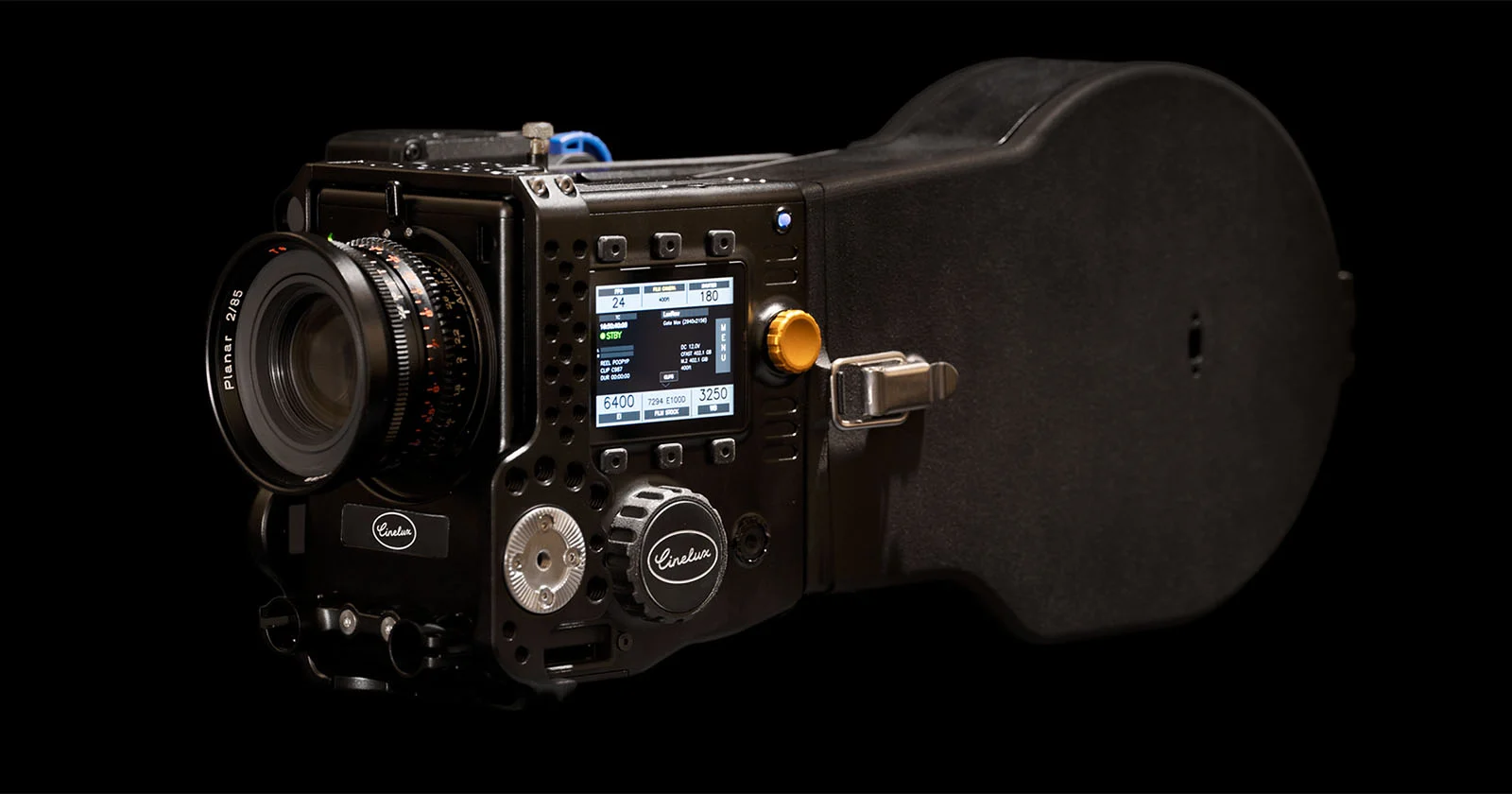
Scheduled for release in 2027, the Cinelux SIXTEEN is a hybrid Super 16 camera designed to capture real film and digital footage simultaneously. While that may sound like a niche technical innovation, it could have major implications for how productions approach film in the years ahead. More importantly, it may help bridge the gap between the creative advantages of film and the practical demands of modern filmmaking.
What Is the Cinelux SIXTEEN?
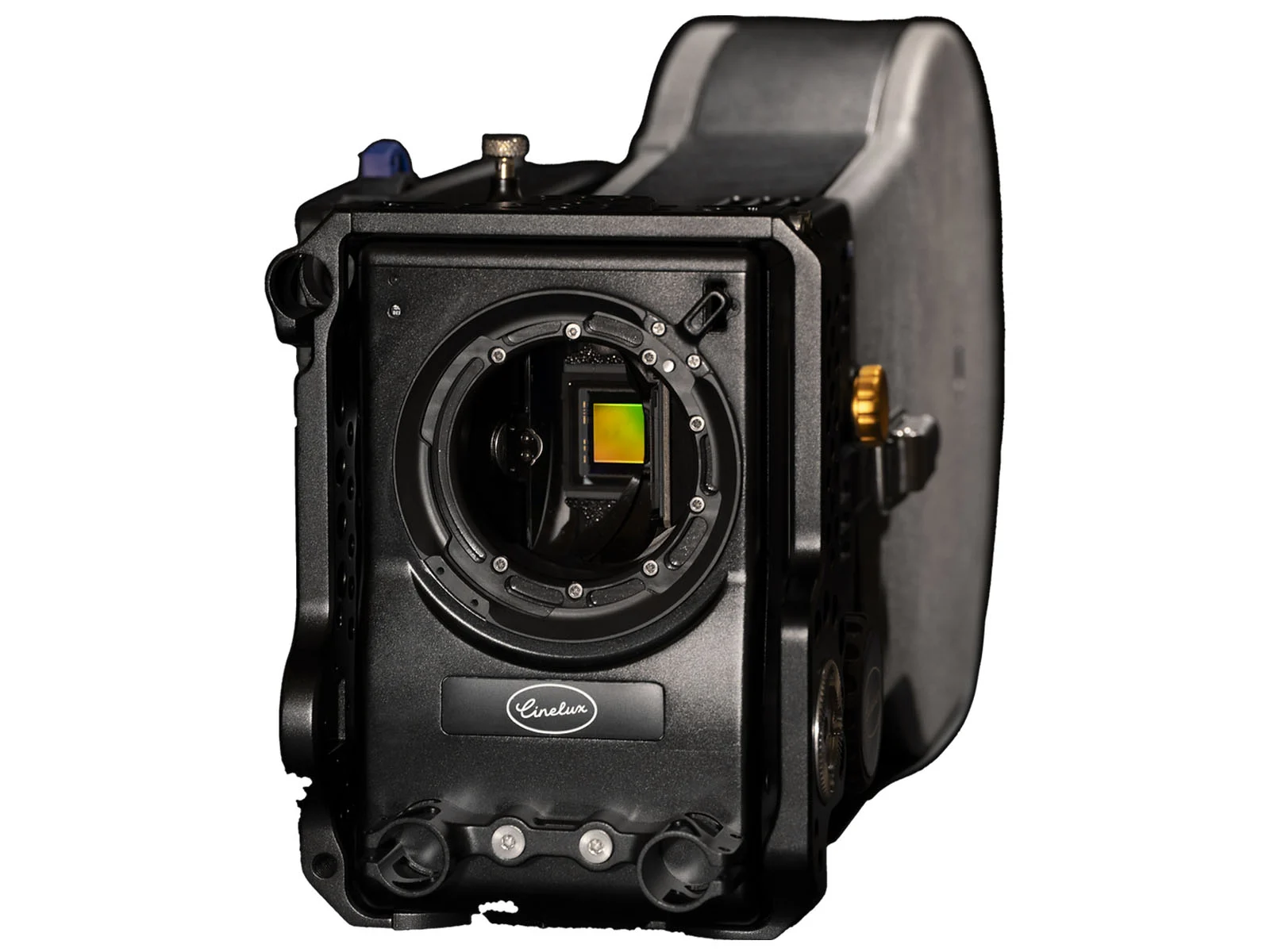
At its core, the Cinelux SIXTEEN is a Super 16 film camera. It records genuine film negatives just like traditional film cameras. However, unlike most film cameras currently available, it also includes a built-in digital cinema sensor that captures a digital image at the exact same moment.
In practical terms, every time the camera records a frame of film, it also generates a digital version of that image. The result is two deliverables from a single shot: a film negative and a digital file.
This approach is significantly different from traditional video assist systems found on older film cameras. Instead of providing a simple monitoring feed, the SIXTEEN is designed to create a fully usable digital workflow alongside the film capture process.
The camera's digital system records up to 3K resolution and supports professional formats such as CinemaDNG, ProRes 444 HQ, and Cinelux RAW. While these specifications will appeal to cinematographers, the real innovation is not about image quality. It is about workflow.
Why Shooting on Film Is Still Challenging Today
For people outside the camera department, it is easy to assume that choosing film is primarily an artistic decision. While that is certainly true, the logistical side of shooting film can be considerably more complicated.
When a production shoots digitally, footage can be reviewed immediately. Editors can begin assembling scenes the same day. Producers can quickly verify that important shots have been captured, and directors can make decisions with instant visual feedback.
Film operates differently.
After filming, the exposed rolls must be sent to a laboratory, developed, scanned, and then delivered back to the production. Depending on the schedule, this process can take days. During that time, editors, producers, and clients may have limited visibility into the footage that has been captured.
Modern productions have become accustomed to rapid communication and immediate access to media. Film cameras were originally designed decades before these expectations existed. As a result, productions often need to adapt their workflows when shooting on film.
This does not diminish the value of film. Many filmmakers believe the visual qualities of film are worth the extra effort. However, the workflow challenges remain one of the biggest barriers preventing more productions from adopting it.
How the Cinelux SIXTEEN Changes the Workflow
The Cinelux SIXTEEN attempts to solve this problem without compromising what makes film unique.
Instead of forcing productions to wait for processed footage before reviewing material, the camera provides a digital image at the same time the film is being exposed. This means directors, producers, editors, and clients can access footage almost immediately.
For editors, this could significantly accelerate the post-production process. Digital proxy files can be organized, reviewed, and assembled long before the film scans arrive.
For producers, it reduces uncertainty. Rather than waiting several days to confirm whether a critical scene was captured successfully, they have access to a high-quality digital reference on set.
For directors and cinematographers, it creates a more familiar monitoring experience that aligns with contemporary production practices.
Perhaps most importantly, the film negative remains the primary image source. The camera is not replacing film with a digital imitation. Instead, it is creating a digital workflow that supports the film production process.
A useful analogy would be reading a printed book while simultaneously having access to a searchable digital version. The original remains intact, but the workflow becomes significantly more efficient.
Why This Matters Beyond Cinematographers
Camera technology announcements often focus on technical specifications, but the broader impact of the Cinelux SIXTEEN extends beyond cinematographers.
For directors, faster access to footage can improve creative decision-making. Instead of relying on limited monitoring systems, they gain a more complete view of the material they are capturing.
For producers, the camera may reduce some of the perceived risk associated with film production. Having immediate access to digital references can provide reassurance throughout the shoot.
For editors, the ability to begin working with footage earlier could shorten timelines and improve collaboration with the rest of the production team.
For agencies, brands, and clients, the camera may make film a more practical option. Many creative teams love the look of Super 16 but hesitate because of the slower workflow. If those workflow concerns are reduced, film becomes easier to justify.
In many ways, the SIXTEEN is less about image capture and more about communication between departments.
Could This Bring More Productions Back to Film?
Over the past few years, interest in analog filmmaking and shooting on film has experienced a significant resurgence. Audiences are increasingly drawn to the distinctive qualities of film, including its natural grain, organic color rendition, rich image depth, and the subtle imperfections that give it a unique and timeless character.
This growing appreciation for the film look is particularly evident in:
High-end commercial productions;
Music videos;
Independent films;
Premium television series.
Yet despite the renewed popularity of film cinematography, the biggest barrier to wider adoption has never been image quality.
The real challenge has always been integrating film into today's digital production workflows.
If the Cinelux SIXTEEN delivers on its promise, it could make Super 16 filmmaking far more accessible to a new generation of filmmakers, content creators, and production companies. By combining the authenticity of film with the efficiency of modern digital tools, the camera has the potential to bridge the gap between traditional film production and contemporary production demands.
Of course, it won't eliminate the costs associated with film stock, processing, or scanning. However, it could significantly reduce some of the workflow complexities that currently discourage productions from choosing Super 16 film over digital alternatives.
In a filmmaking landscape increasingly focused on both creative distinction and production efficiency, innovations like the Cinelux SIXTEEN may play an important role in shaping the future of analog filmmaking, film production workflows, and the ongoing evolution of film vs. digital cinematography.
The Bigger Picture: Film and Digital No Longer Need to Compete
For years, discussions about cameras have often been framed as a debate between film and digital. One side celebrates tradition and texture, while the other values efficiency and flexibility.
The Cinelux SIXTEEN suggests a different perspective.
Rather than treating film and digital as competing technologies, it treats them as complementary tools within the same production ecosystem. Film remains the creative foundation, while digital provides the speed and accessibility that modern productions expect.
Whether the camera ultimately succeeds will depend on its reliability, image quality, and real-world performance. Many promising camera concepts never become industry standards.
Still, the idea behind the SIXTEEN is compelling. It points toward a future where filmmakers no longer have to choose between the beauty of film and the practicality of digital workflows.
If Cinelux can deliver on that vision, the SIXTEEN may become more than just another camera release. It could represent a meaningful step forward in how film production evolves for the next generation of creators.
For years, filmmakers have faced a difficult choice. They could embrace the speed, convenience, and flexibility of digital cameras, or they could choose the distinctive look and character of film. While digital technology has transformed filmmaking, film has never truly disappeared. In fact, Super 16 has experienced a resurgence in recent years, appearing in everything from high-end commercials and music videos to acclaimed television series and independent films.
Yet despite its growing popularity, shooting on film still comes with significant challenges. Processing delays, limited on-set monitoring, and slower post-production workflows often make film a difficult choice for productions working under tight deadlines and budgets.
That is what makes the new Cinelux SIXTEEN so interesting.
Scheduled for release in 2027, the Cinelux SIXTEEN is a hybrid Super 16 camera designed to capture real film and digital footage simultaneously. While that may sound like a niche technical innovation, it could have major implications for how productions approach film in the years ahead. More importantly, it may help bridge the gap between the creative advantages of film and the practical demands of modern filmmaking.
What Is the Cinelux SIXTEEN?
At its core, the Cinelux SIXTEEN is a Super 16 film camera. It records genuine film negatives just like traditional film cameras. However, unlike most film cameras currently available, it also includes a built-in digital cinema sensor that captures a digital image at the exact same moment.
In practical terms, every time the camera records a frame of film, it also generates a digital version of that image. The result is two deliverables from a single shot: a film negative and a digital file.
This approach is significantly different from traditional video assist systems found on older film cameras. Instead of providing a simple monitoring feed, the SIXTEEN is designed to create a fully usable digital workflow alongside the film capture process.
The camera's digital system records up to 3K resolution and supports professional formats such as CinemaDNG, ProRes 444 HQ, and Cinelux RAW. While these specifications will appeal to cinematographers, the real innovation is not about image quality. It is about workflow.
Why Shooting on Film Is Still Challenging Today
For people outside the camera department, it is easy to assume that choosing film is primarily an artistic decision. While that is certainly true, the logistical side of shooting film can be considerably more complicated.
When a production shoots digitally, footage can be reviewed immediately. Editors can begin assembling scenes the same day. Producers can quickly verify that important shots have been captured, and directors can make decisions with instant visual feedback.
Film operates differently.
After filming, the exposed rolls must be sent to a laboratory, developed, scanned, and then delivered back to the production. Depending on the schedule, this process can take days. During that time, editors, producers, and clients may have limited visibility into the footage that has been captured.
Modern productions have become accustomed to rapid communication and immediate access to media. Film cameras were originally designed decades before these expectations existed. As a result, productions often need to adapt their workflows when shooting on film.
This does not diminish the value of film. Many filmmakers believe the visual qualities of film are worth the extra effort. However, the workflow challenges remain one of the biggest barriers preventing more productions from adopting it.
How the Cinelux SIXTEEN Changes the Workflow
The Cinelux SIXTEEN attempts to solve this problem without compromising what makes film unique.
Instead of forcing productions to wait for processed footage before reviewing material, the camera provides a digital image at the same time the film is being exposed. This means directors, producers, editors, and clients can access footage almost immediately.
For editors, this could significantly accelerate the post-production process. Digital proxy files can be organized, reviewed, and assembled long before the film scans arrive.
For producers, it reduces uncertainty. Rather than waiting several days to confirm whether a critical scene was captured successfully, they have access to a high-quality digital reference on set.
For directors and cinematographers, it creates a more familiar monitoring experience that aligns with contemporary production practices.
Perhaps most importantly, the film negative remains the primary image source. The camera is not replacing film with a digital imitation. Instead, it is creating a digital workflow that supports the film production process.
A useful analogy would be reading a printed book while simultaneously having access to a searchable digital version. The original remains intact, but the workflow becomes significantly more efficient.
Why This Matters Beyond Cinematographers
Camera technology announcements often focus on technical specifications, but the broader impact of the Cinelux SIXTEEN extends beyond cinematographers.
For directors, faster access to footage can improve creative decision-making. Instead of relying on limited monitoring systems, they gain a more complete view of the material they are capturing.
For producers, the camera may reduce some of the perceived risk associated with film production. Having immediate access to digital references can provide reassurance throughout the shoot.
For editors, the ability to begin working with footage earlier could shorten timelines and improve collaboration with the rest of the production team.
For agencies, brands, and clients, the camera may make film a more practical option. Many creative teams love the look of Super 16 but hesitate because of the slower workflow. If those workflow concerns are reduced, film becomes easier to justify.
In many ways, the SIXTEEN is less about image capture and more about communication between departments.
Could This Bring More Productions Back to Film?
Over the past few years, interest in analog filmmaking and shooting on film has experienced a significant resurgence. Audiences are increasingly drawn to the distinctive qualities of film, including its natural grain, organic color rendition, rich image depth, and the subtle imperfections that give it a unique and timeless character.
This growing appreciation for the film look is particularly evident in:
High-end commercial productions;
Music videos;
Independent films;
Premium television series.
Yet despite the renewed popularity of film cinematography, the biggest barrier to wider adoption has never been image quality.
The real challenge has always been integrating film into today's digital production workflows.
If the Cinelux SIXTEEN delivers on its promise, it could make Super 16 filmmaking far more accessible to a new generation of filmmakers, content creators, and production companies. By combining the authenticity of film with the efficiency of modern digital tools, the camera has the potential to bridge the gap between traditional film production and contemporary production demands.
Of course, it won't eliminate the costs associated with film stock, processing, or scanning. However, it could significantly reduce some of the workflow complexities that currently discourage productions from choosing Super 16 film over digital alternatives.
In a filmmaking landscape increasingly focused on both creative distinction and production efficiency, innovations like the Cinelux SIXTEEN may play an important role in shaping the future of analog filmmaking, film production workflows, and the ongoing evolution of film vs. digital cinematography.
The Bigger Picture: Film and Digital No Longer Need to Compete
For years, discussions about cameras have often been framed as a debate between film and digital. One side celebrates tradition and texture, while the other values efficiency and flexibility.
The Cinelux SIXTEEN suggests a different perspective.
Rather than treating film and digital as competing technologies, it treats them as complementary tools within the same production ecosystem. Film remains the creative foundation, while digital provides the speed and accessibility that modern productions expect.
Whether the camera ultimately succeeds will depend on its reliability, image quality, and real-world performance. Many promising camera concepts never become industry standards.
Still, the idea behind the SIXTEEN is compelling. It points toward a future where filmmakers no longer have to choose between the beauty of film and the practicality of digital workflows.
If Cinelux can deliver on that vision, the SIXTEEN may become more than just another camera release. It could represent a meaningful step forward in how film production evolves for the next generation of creators.